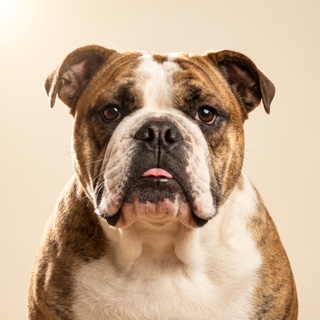
Cinematic is the studio-photograph style — magazine-cover polish, dramatic key light, editorial framing. Best for modern homes, offices, and pets with real physical presence. Free preview in about 40 seconds.
Cinematic isn't a painting style — it's a photograph style. Studio strobe lighting, editorial magazine framing, the kind of hero shot a pet-food brand would pay a photographer $8,000 a day to capture. Applied to your Chihuahua on the sofa. That contrast between the "serious commercial photography" register and the everyday pet subject is the whole point of the style, and it lands especially hard on TikTok.
What Cinematic looks like
One dominant key light with visible falloff into shadow. Rich, saturated color that reads "professionally graded" rather than "phone camera." Backgrounds go dark — sometimes to true black — so the pet occupies the entire tonal range of the frame. Fur detail is razor-sharp; eyes catch the key light with a specific highlight that only real studio photographers know how to plant.
Where the painting styles borrow from art history, Cinematic borrows from the commercial photography world — Annie Leibovitz's Vanity Fair covers, Platon's presidential portraits, the pet spreads in high-end lifestyle magazines. It's the least "painterly" style we offer and the one that reads most as a real object rather than an interpretation.
Which pets look best in Cinematic
- French BulldogsSculptural face + expressive eyes = the format Cinematic was built for. Studio lighting is unforgivingly flattering on a Frenchie.
- Golden RetrieversWarm coat catches key light beautifully. The "cover shot" register lands hard on a smiling Golden.
- PoodlesGroomed coats + editorial styling = magazine-ready. Standard Poodles especially thrive here.
Cinematic is the go-to for cats — the medium's tolerance for shadow lets a black cat actually read as black instead of blob. Exotic pets (bearded dragons, cockatoos, snakes) look extraordinary in Cinematic because commercial photography treats every subject as important, regardless of species.
See your pet in Cinematic — free, in about 40 seconds.
Try the free preview →Which rooms Cinematic suits
- Modern home offices. Reads as considered and serious — office-Zoom-background friendly. Big canvas prints especially strong.
- Contemporary living rooms. Pairs with minimalist decor, dark walls, and modern furniture. The high-contrast palette punctuates rather than blends.
- Bar carts and entryways. The graphic weight makes it a real object rather than a soft addition — good for spots that need visual authority.
- Photography galleries and mixed-media walls. Cinematic slots into a wall of framed photographs without shifting register.
Cinematic is not the pick for traditional or country-cottage rooms — the modern editorial register fights the warmer decor. For those, try Classic Oil or Watercolor.
How to get the best Cinematic portrait
Source photo quality matters most
Cinematic is our least-forgiving style for source photo quality. Because the output aesthetic is high-resolution commercial photography, a phone-quality snapshot has less room to hide. Use the best photo you have — the one with the sharpest focus and cleanest light.
A little side-light in the original helps
Photos already shot with directional light (window on one side, backlight behind) give Cinematic the most to work with because the medium can dramatize existing lighting instead of inventing it. Straight overhead noon light is the hardest input.
Close-up beats full-body
Cinematic works best on head-and-shoulders shots. The whole point of the style is portrait-level intimacy with the subject; a small pet in a large environment loses the register. For full-body shots, try Impressionist or Watercolor instead.
Framing a Cinematic portrait
Cinematic wants minimal frames — the piece is dramatic enough that anything ornate fights it. Three recommended finishes:
- Black — the default. Modern, disappearing, gallery-formal. Never wrong.
- Dark grey — the softer black. Reads intentional without punching as hard.
- Metal print (no frame) — Cinematic looks phenomenal on aluminum. See the metal print page.
All framed prints are museum-mounted with a snow-white mat behind acrylic glazing, made-to-order by our print partner Prodigi on 200gsm archival paper. Ships to the US & Canada in about 3-5 business days.
Common questions
Is Cinematic actually a photograph or a painting?
Neither and both. It's an AI-generated image that renders in the visual grammar of high-end studio photography — real studio lighting, editorial framing, professional color grading. There's no camera involved; the model has learned what commercial photography looks like and applies it.
Will it still look like my pet, not a stock photo?
Yes. Cinematic changes the lighting and background, not the pet. Your pet's face, coat, and expression are preserved head-to-tail; the style provides the studio around them.
What material should I order Cinematic on?
Metal print is our top recommendation — the medium's inherent gloss and depth match the aesthetic. Framed print in black is the classic choice. Canvas works less well here because the paint texture fights the photographic register.
Is Cinematic good for memorial portraits?
It can be, for the right pet. Cinematic's dramatic register reads as heroic tribute — Anthony Bourdain's memorial photos are Cinematic in style. But it's not the default; most families prefer Charcoal or Classic Oil for memorial pieces.
How much does a Cinematic portrait cost?
Preview is free. Downloadable file is $9.95. Framed prints run $179-$299 depending on size and frame finish; metal prints run $129-$459. Every style is the same price.