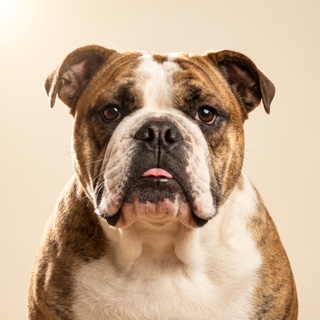
Vintage Photo is our sepia-toned wet-plate style — makes your pet look like a 19th-century portrait subject. Best for antique-adjacent decor, family archives, heirloom gifts. Free preview in about 40 seconds.
Vintage Photo is the style that makes your pet look like they sat for a photographer in 1875. Sepia-toned wet-plate aesthetic, soft focus with sharp centered subject, considered composition — the visual grammar early photography used before color existed. Applied to your Golden Retriever, the medium produces a portrait that reads as genuine heirloom rather than modern filter.
What Vintage Photo looks like
Warm sepia tone (brown-black instead of pure black) across the entire image. Slight vignette darkening the corners toward the center subject. Soft focus around the edges with the pet's face in sharp focus — the wet-plate photography look. Backgrounds simplified to muted single-tone (studio-drape aesthetic) or gentle interior. Slight texture suggesting aged photograph paper.
Where Cinematic is modern studio photography, Vintage Photo is 19th-century studio photography. Both are photographic registers; the difference is a century and a half of technique.
Which pets look best in Vintage Photo
- Family dogsGoldens, Labs, Cavaliers — breeds with warm coats and gentle expressions read as heirloom subjects. The sepia tone treats them tenderly.
- Long-coat catsPersians, Ragdolls, Maine Coons — the coat texture reads especially beautifully in sepia. The medium was made for soft-focus long fur.
- Traditional breedsBeagles, English breeds, spaniels — the pairing feels historically native. Vintage Photo treats them like Edwardian-era household subjects.
Vintage Photo works especially well for memorial portraits — the heirloom register naturally suits pets who have passed. Also strong for pets whose photos are older or lower-quality; the medium's soft-focus aesthetic is forgiving in ways sharper styles aren't.
See your pet in Vintage Photo — free, in about 40 seconds.
Try the free preview →Which rooms Vintage Photo suits
- Family halls with archival photos. The obvious fit — pairs with old family photos, sepia-toned wedding shots, framed heritage pieces.
- Traditional or Victorian-adjacent living rooms. Dark walls, wood tones, patterned textiles — the medium matches the register.
- Home libraries and studies. The heirloom quality suits rooms designed for reading and reflection.
- Bedrooms. The soft-focus warmth reads as intimate keepsake; small framed prints work especially well on a nightstand or dresser.
Vintage Photo is not the pick for modern minimalist rooms, kids' rooms, or graphic-forward spaces — the register is too specifically nostalgic. For those, try Cinematic or Pop Art.
How to get the best Vintage Photo portrait
Any photo works — older photos especially reward the medium
Vintage Photo is one of our most forgiving styles for source quality. The medium's soft-focus aesthetic naturally masks the imperfections of an older iPhone photo, a scanned print, or a lower-resolution shot. Old photos of pets who have passed render especially cleanly.
Face-forward or three-quarter angles
19th-century studio photography favored formal poses — sitting subjects facing the camera, three-quarter angles for gentler compositions. Photos that already carry this register (rather than action shots) suit the medium best.
Even light beats dramatic light
Wet-plate photography worked from even light; the medium translates modern photos most cleanly when the source uses window light or open shade. Direct-sun shots produce more modern feel than the vintage register wants.
Framing a Vintage Photo portrait
Vintage Photo wants traditional, warm frames — the medium's register reads best against wood tones. Three recommended finishes:
- Walnut — the default. Warm richness pairs with sepia palette; reads as heirloom.
- Ornate gold (matte) — the period-accurate choice. Victorian-era frames were often gilded; the pairing feels historically native.
- Black — the modern-gallery version. Contains the piece; reads more curated than antique.
All framed prints are museum-mounted with a snow-white mat behind acrylic glazing, made-to-order by our print partner Prodigi on 200gsm archival paper. Ships to the US & Canada in about 3-5 business days.
Common questions
Will my pet actually look like themselves in Vintage Photo?
Yes — the paint respects your pet's specific coloring (translated into the sepia tonal range), markings, and expression. The style shifts the medium (sepia instead of full color, soft focus instead of sharp) but not the subject. It's YOUR pet as if photographed in 1875.
Is Vintage Photo good for memorial portraits?
Yes — it's one of our top three memorial choices alongside Charcoal Sketch and Classic Oil. The heirloom register reads as genuine tribute, and the sepia tone is easier to look at daily than a more literal photograph. See our memorial portrait guide.
Will an older or low-resolution photo work?
Yes — this is our most forgiving style for source photo quality. The soft-focus wet-plate aesthetic naturally masks imperfections. Scanned prints from decades ago, older iPhone photos, and even Facebook screenshots render as intentionally-vintage rather than technically-flawed.
Can I get color accents (a red collar, blue eyes) instead of full sepia?
Yes — custom-prompt with "sepia portrait with red collar" or "wet-plate style with blue eye highlight" produces clean single-accent results. Multiple color accents dilute the register though; one is best.
How much does a Vintage Photo portrait cost?
Preview is free. Downloadable files start at $9.95. Framed prints run $179-$299 depending on size and finish.