See your Maine Coon in Renaissance — free, in about 40 seconds.
Try the free preview →Why Maine Coon in Renaissance
The Maine Coon's tufted ears, ruff, and muscular length put it in a category no other domestic cat occupies: northern-landscape-painting scale. Renaissance oil, with its controlled chiaroscuro, is the only medium that renders that scale and coat texture without flattening it into a decorative element.
The photo that works best
A posed, slightly elevated angle captures the Maine Coon's full ruff and body length — the breed's defining proportions. The tufted ear-tips are a key detail; make sure both ears are visible and upright in the source photo. Even overcast natural light works well — the model builds its own drama.
More general guidance in our best photo for a pet portrait guide and the breed-specific tips on /breeds/maine-coon.
Common questions
Will the ear tufts and ruff render in detail?
Yes — both are signature features and the model treats them as such. The ear tufts become fine individual hairs at the tip; the ruff builds layer by layer in the same way Renaissance painters built fur in their animal portraits. These aren't smoothed over; they're the point.
My Maine Coon is silver tabby — will the silver come through?
Silver and smoke Maine Coons are among the most striking combinations for Renaissance oil — the cool-silver coat against the warm amber chiaroscuro creates the same tension as a pearl necklace against dark fabric. The contrast is intentional and lands hard.
Is Renaissance better than Classic Oil for a Maine Coon?
Renaissance for the full dramatic treatment — dark backdrop, strong chiaroscuro, formal portrait register. Classic Oil for a warmer, slightly more approachable result. Given the Maine Coon's size and presence, Renaissance tends to match the breed's energy better. But try both — free previews, 40 seconds each.
Explore more
- Maine Coon portraitsAll 8 painting styles for your Maine Coon — coat, markings, and personality tips.
- Renaissance deep-diveWhat Renaissance looks like, which pets it suits, and how to frame it.
- Corgi in RenaissanceThe corgi's wide-set eyes, fox-like face, and upright bearing are period-portrait hallmarks — the same features 16th-century painters emphasized in aristocratic sitters. Painted in Renaissance oil against a crimson-draped interior, a corgi reads not as cute-dog but as sitting sovereign.
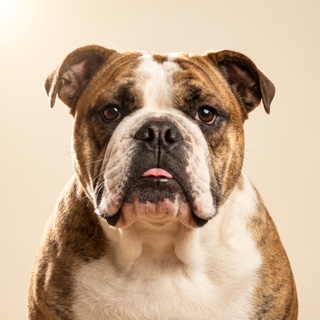
- English Bulldog in RenaissanceAn English Bulldog in Renaissance oil doesn't need costume or conceit — the jowled, heavy-set gravitas of the breed already occupies the same visual register as the Flemish sitters Rubens and van Dyck painted in ermine and velvet. The heaviness reads as weight of authority, not excess weight.
- French Bulldog in RenaissanceThe Frenchie's bat ears and compact proportions — features that read as endearing oddities in real life — land as aristocratic distinction against a Renaissance oil backdrop. The same asymmetries Flemish portraitists used to individualize Habsburg nobles work here: the broad forehead, the erect ears, the eyes that hold the viewer.